

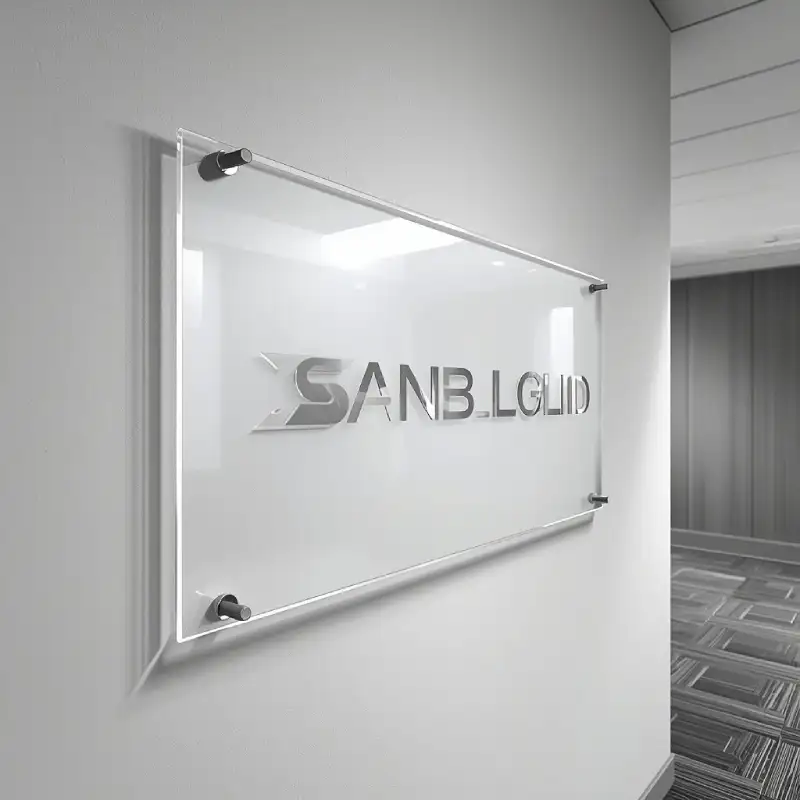
A law firm reception sign and a medical exam room placard solve two different problems, even though both are usually cut from the same half-inch acrylic sheet. This guide breaks down when acrylic makes sense for a New York professional office or medical practice, which finishes and mounting styles hold up best, and where ADA rules apply.
Why Acrylic Works for Offices and Medical Practices

Acrylic sits in a useful middle ground between painted drywall and etched glass. It reads as clean and modern without the cost of glass fabrication, and it takes standoff mounting well, which gives a sign a slight shadow gap off the wall that reads as more finished than flush-mounted vinyl. For office signs in general, that shadow-gap look has become close to a default expectation in class A and class B New York office buildings, especially at suite entries and directory walls.
Medical practices have a second reason to like acrylic: it wipes down easily and does not absorb moisture, which matters for exam room door signs and restroom signage that get cleaned multiple times a day. A practice manager we have worked with on prior New York projects put it simply: brushed metal laminate signs look sharp on day one, but acrylic still looks sharp after two years of disinfectant wipes.
Finish Options: Frosted, Clear, and Metal Laminate
Clear acrylic with painted or vinyl-applied lettering is the most common and least expensive option, and it works well for directories and door signs viewed head-on. Frosted or sandblasted acrylic diffuses light differently and hides mounting hardware shadows better, which is why it shows up more often on reception walls with backlighting.
Brushed metal laminate acrylic (a thin aluminum or brass laminate bonded to the acrylic face) is the upgrade tier for law firms and financial offices that want a metal look without machining actual metal letters. It costs less than dimensional metal letters and weighs a fraction as much, which matters for landlord-approved wall attachment in leased office space.
Mounting Standoffs vs. Flush Mount vs. Frame Mount
Standoff mounting uses metal spacers to hold the sign roughly half an inch off the wall, and it is the mounting style most commonly requested for lobby and reception signage because of the shadow-gap effect described above. Flush mounting with double-sided adhesive tape is faster and cheaper, and it is the standard for interior door signs where the sign sits close to eye level and the gap effect is less noticeable.
Frame mounting, where the acrylic panel drops into a metal or wood frame, is common for changeable directories in multi-tenant office buildings where suite numbers and tenant names get updated periodically.
ADA and Braille Requirements for Medical and Office Signage
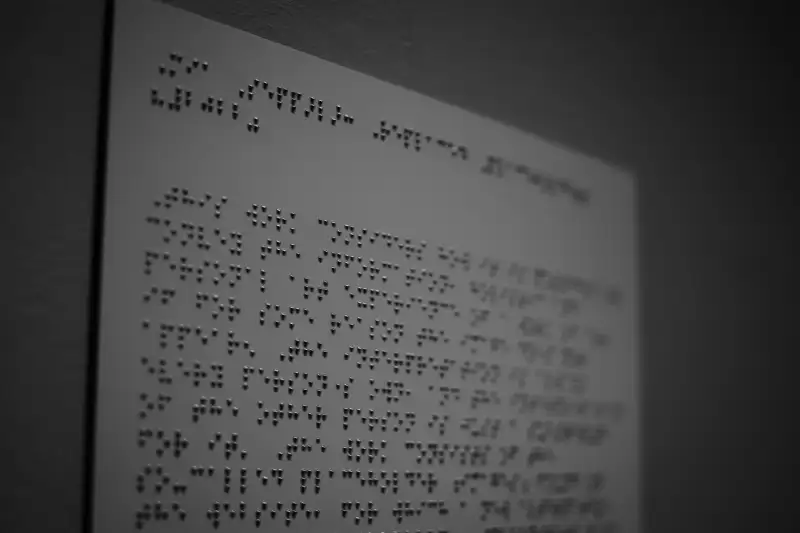
ADA-scoped signage, meaning permanent room identification signs such as restrooms, exam rooms, and stairwells, requires raised tactile characters and grade 2 Braille, with specific mounting height (typically 48 to 60 inches to the baseline of the lowest tactile character) and non-glare finishes. Directional and directory signs, by contrast, are not ADA-scoped in the same way and can use standard printed or applied-vinyl acrylic without raised text.
New York City has its own accessibility code layered on top of the ADA baseline, so exam room and restroom signage in NYC medical offices should be reviewed against both standards before installation, not just the federal minimum.
What Acrylic Signage Typically Costs to Expect
Pricing on acrylic signage varies with size, finish, and mounting hardware, so exact costs are best confirmed through a project quote rather than a blanket number. As a general pattern, ADA tactile signs and directory panels tend to sit at the lower end of the acrylic range, while backlit reception walls and frosted feature panels run higher due to layered materials and electrical work.
Buildout timing also affects cost more than most tenants expect. Ordering signage during the same window as electrical or millwork buildout lets an installer coordinate backlit wiring before drywall closes, which is cheaper than retrofitting power to a wall after the fact.
Choosing the Right Vertical Application for Your Practice
A single-doctor medical practice has different signage needs than a multi-specialty group sharing a suite, and the acrylic sign plan should reflect that. A solo practice usually needs a reception sign, one or two exam room door signs, and a restroom sign, while a shared multi-tenant medical suite often needs a full directory system with room for future practices to be added.
Law and financial offices tend to concentrate signage budget on the reception wall and conference room glass rather than distributing it evenly across every door, since client-facing spaces carry more brand weight in those industries than they do in a medical setting where wayfinding takes priority over branding.
Working With a Local New York Sign Partner
Acrylic signage for offices and medical practices in New York carries a few local wrinkles that a national sign vendor may not account for: NYC-specific accessibility code layered on the ADA baseline, building management approval processes in leased commercial space, and coordination with property management on installation scheduling in occupied buildings.
Working with a sign company that fabricates and installs locally, rather than shipping a finished sign from out of state, generally means faster turnaround on corrections and a single point of contact for both the design proof and the installation appointment.
Planning a Multi-Sign Suite Package
Most offices and medical practices end up ordering acrylic signage in a batch rather than one sign at a time: a reception sign, a set of door signs, a directory panel, and restroom signage often get quoted and installed together during a move-in or renovation. Batching the order lets every piece share a consistent finish, font, and mounting style so the suite reads as one cohesive package rather than several signs added over time.
A practice adding a second doctor or a firm adding a new partner later on can typically order a matching sign against the original file rather than starting the design process from scratch, provided the original vendor keeps the design specs on record.
It also pays to plan restroom and directional signage into the same package even when they feel like an afterthought next to the reception sign, since ADA-scoped signs have specific mounting height and tactile requirements that are easier to check off during an initial buildout than to retrofit after a health department or building inspection flags a gap.
Acrylic Signage FAQs for New York Offices and Medical Practices
Are acrylic signs ADA compliant for medical offices?
Acrylic itself is an accepted ADA sign material, but compliance depends on the sign type. Permanent room ID signs like exam rooms and restrooms need raised tactile lettering, grade 2 Braille, and specific mounting height, while directories and directional signs do not carry the same tactile requirement.
What is the difference between standoff mount and flush mount acrylic signs?
Standoff mounting holds the panel about half an inch off the wall using metal spacers, creating a shadow-gap look common on lobby and reception signage. Flush mounting adheres the panel directly to the wall and is typical for interior door signs.
Can acrylic signs be updated if a tenant or doctor changes?
Yes, frame-mounted acrylic directories are built specifically for this. The frame stays in place and individual name or suite inserts can be swapped without replacing the whole sign.
How long do acrylic signs last in a medical office?
Acrylic holds up well to frequent disinfectant wiping and does not yellow as quickly as some lower-grade plastics, so a well-fabricated acrylic sign typically performs for several years in a clinical setting without visible degradation.
Do New York City medical offices need to follow local accessibility codes in addition to the ADA?
Yes. New York City has accessibility code provisions layered on top of the federal ADA baseline, so exam room, restroom, and stairwell signage should be checked against both before installation.