

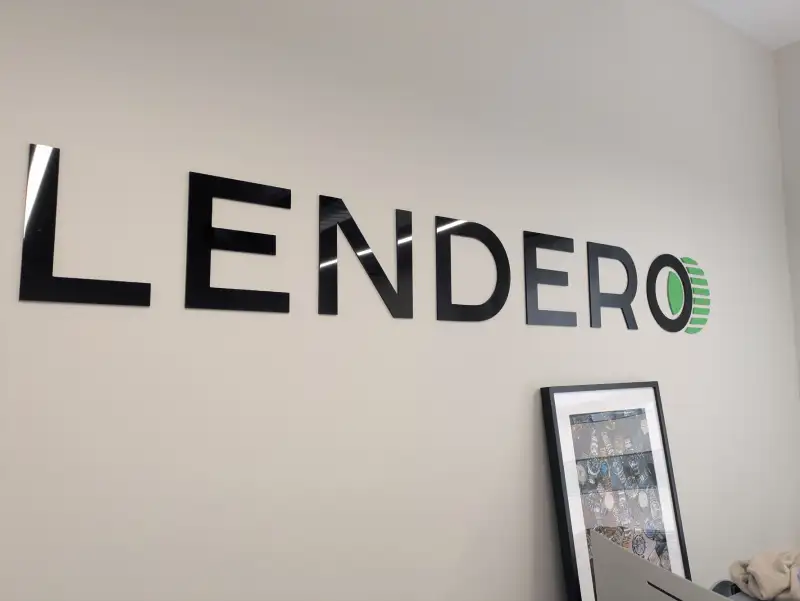
The lobby brand wall is usually the single most photographed piece of signage a company owns, since it shows up in every hiring photo, every client walkthrough, and every LinkedIn office tour. This guide covers the material, mounting, and lighting choices behind dimensional letters for corporate lobbies across New York City and Westchester, along with where building approval can slow things down.
Material Options: Acrylic, Metal, and PVC/Foam
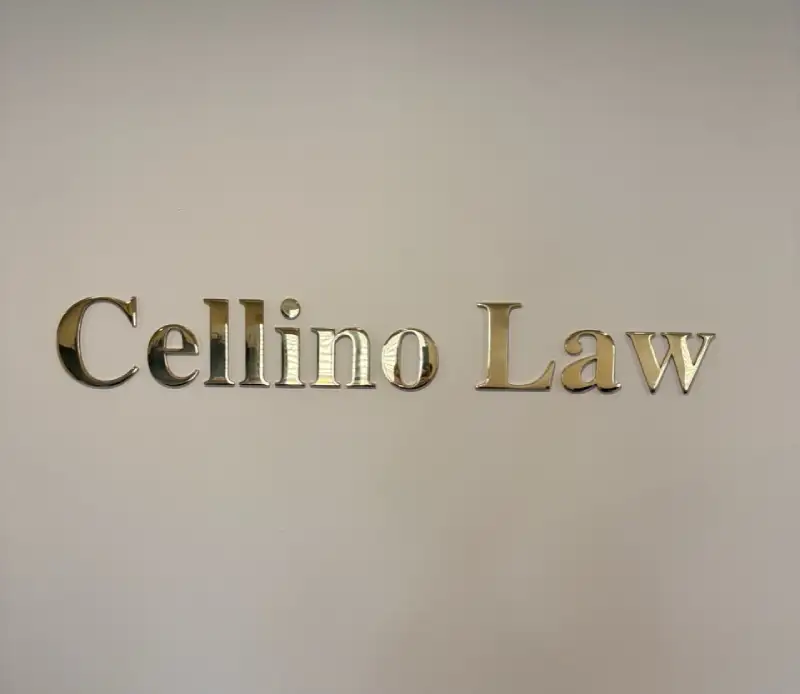
Acrylic dimensional letters are the most common mid-tier choice, offering a clean edge profile in a wide color range at a moderate cost, and they take internal illumination well for backlit applications. Metal letters, typically brushed aluminum or bronze-finish, read as the premium option and are the standard choice for law firms, financial services, and any company positioning itself at the high end of its industry.
PVC or foam letters are the budget option, generally used for interior signage with a shorter expected lifespan, such as a temporary lobby during a build-out or a lower-visibility interior corridor rather than the primary brand wall.
Mounting Methods: Flush, Stud, and Halo-Lit
Flush mounting adheres letters directly to the wall with no gap, giving the cleanest, most minimal look and the lowest installation cost. Stud mounting holds letters slightly off the wall on threaded studs, creating a subtle shadow that most corporate lobbies request specifically for that dimensional depth.
Halo-lit mounting places an LED light source behind the letters so light glows around the edges against the wall, a popular choice for lobby signage in buildings with dimmable lobby lighting, since the glow effect is most visible when ambient light is lower.
Lighting: Backlit, Front-Lit, and Non-Illuminated
Backlit (halo) letters produce a glow around the letter perimeter and work best on solid, non-reflective wall surfaces where the contrast reads clearly. Front-lit letters have LEDs behind a translucent face, producing an evenly lit letter face rather than a perimeter glow, which suits acrylic letters specifically.
Non-illuminated letters remain the majority choice for daytime-only lobbies with strong ambient light, since the added cost of illumination is not always justified when a lobby closes with normal business hours and does not need after-hours visibility.
Single-Tenant vs. Multi-Tenant Building Approval
A single-tenant corporate lobby generally gives the company full control over sign design, provided it meets any lease-end restoration clause. A multi-tenant building lobby is a different process entirely: property management typically maintains sign design standards for the shared lobby, and any dimensional letter installation needs landlord approval before fabrication begins.
Westchester office parks in particular often have design review boards for exterior-facing lobby glass, so confirming approval requirements early avoids a finished sign that a landlord later asks to be modified.
Sizing Letters for the Lobby Wall
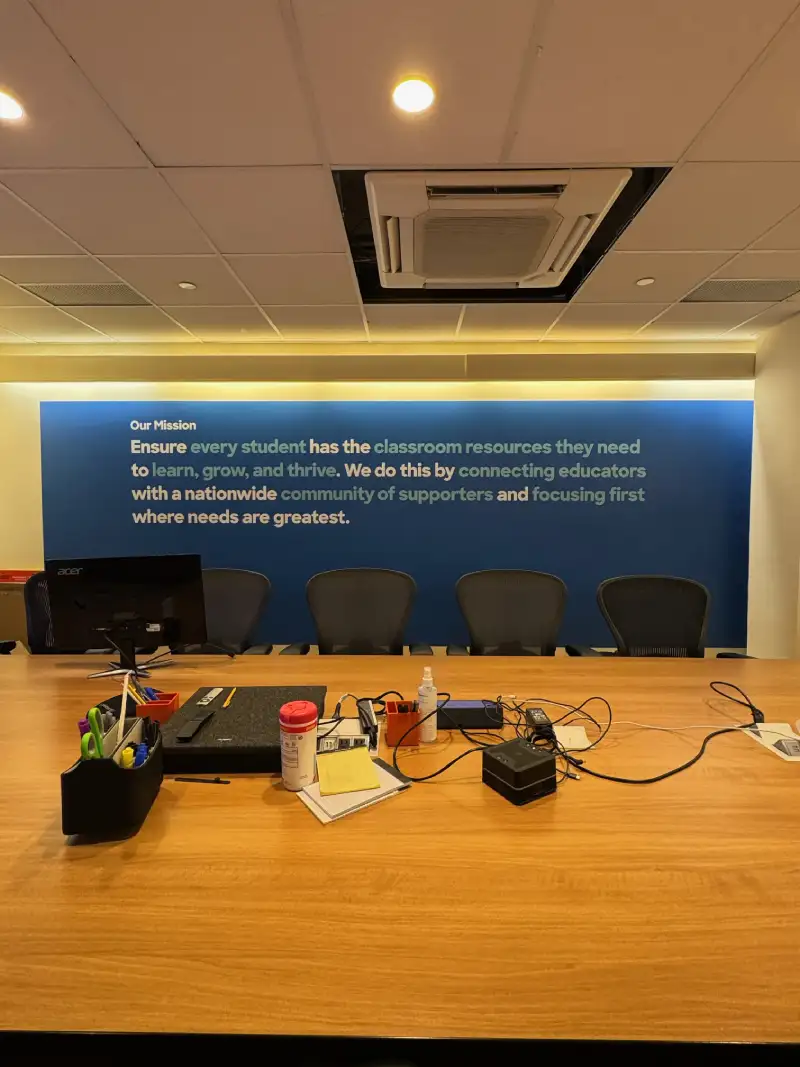
Letter height should scale to viewing distance, not to the wall’s total size. A lobby wall visible from a 20 to 30 foot reception seating area typically calls for letters in the 8 to 14 inch height range, while a wall seen mainly up close near an elevator bank can use smaller letters without losing legibility.
Overscaling letters to fill a large wall is a common mistake that reads as trying too hard rather than confident. Most designers leave generous negative space around a lobby brand wall rather than sizing letters to the wall’s full width.
Working With a Local New York Sign Partner
Corporate lobby signage in New York and Westchester involves more coordination than most interior sign categories: wall surveys before fabrication, landlord approval submittals, and installation scheduling around building access hours in occupied office towers. A locally based fabricator can attend a landlord approval meeting in person if needed and schedule installation directly around a building’s freight elevator hours, which is harder to coordinate with a vendor shipping a finished sign from another region.
Planning Ahead for a Headquarters Relocation or Rebrand
Companies relocating headquarters or refreshing a brand identity should factor lobby signage into the same timeline as office construction rather than treating it as a final punch-list item. Wall surveys and landlord approval submittals can start well before construction finishes, so fabrication is ready to install as soon as the wall itself is complete.
A rebrand affecting logo colors or wordmark style also affects material choice: a wordmark redesigned for a metal or acrylic dimensional treatment sometimes needs minor simplification from its two-dimensional print version, so involving a fabricator during the rebrand design phase avoids a lobby sign that has to be reworked after the logo is finalized.
Maintaining Dimensional Letters Over Time
Acrylic and metal dimensional letters require little routine maintenance beyond periodic dusting and occasional cleaning with a non-abrasive cloth, since both materials resist fading and yellowing far better than painted signage. Illuminated letters need their LED drivers checked periodically, typically during a building’s standard electrical maintenance cycle, since a failed driver is a more common cause of a dark letter than the LEDs themselves burning out.
Standoff and stud mounting hardware should be checked for tightness every few years, particularly in lobbies with heavy foot traffic near the wall, since minor vibration over time can loosen mounting studs before it becomes visually noticeable.
Dimensional Letter Signage FAQs for New York and Westchester Lobbies
What material is best for corporate lobby dimensional letters?
Acrylic offers the best balance of cost and appearance for most corporate lobbies and takes illumination well. Metal, typically brushed aluminum or bronze-finish, is the premium option chosen by firms positioning themselves at the high end of their industry. PVC or foam is the budget option for lower-visibility or temporary installations.
What is the difference between flush mount and stud mount dimensional letters?
Flush mounting adheres letters directly to the wall with no gap for the cleanest, lowest-cost look. Stud mounting holds letters slightly off the wall on threaded studs, creating a shadow effect that many corporate lobbies specifically request.
Do I need landlord approval to install dimensional letters in a multi-tenant building lobby?
In most multi-tenant buildings, yes. Property management typically maintains design standards for the shared lobby, and dimensional letter signage generally needs landlord approval before fabrication begins.
What is halo-lit signage?
Halo-lit signage places an LED light source behind the letters so light glows around each letter’s perimeter against the wall, rather than lighting the letter face directly. It is most visible in lobbies with dimmable or lower ambient lighting.
Do Westchester office buildings have restrictions on lobby signage?
Many Westchester office parks maintain design review requirements for lobby and exterior-facing signage, particularly where lobby glass faces the street. Confirming approval requirements before fabrication helps avoid changes after installation.