

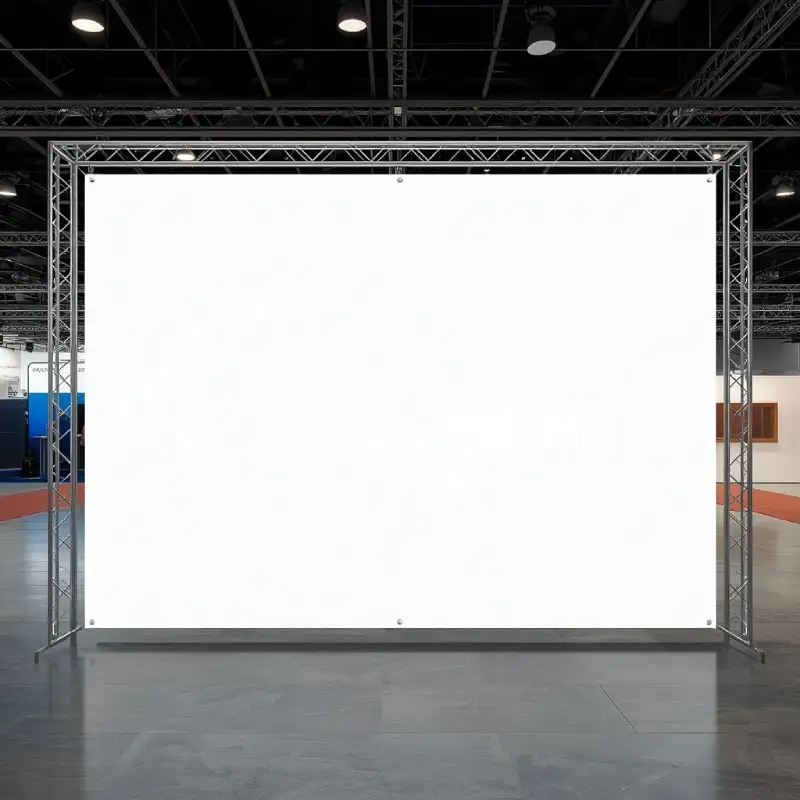
Exhibitors booked into the Javits Center, the Meadowlands Exposition Center, or any of the smaller tri-state venues face the same early decision every time: what actually goes on the booth wall. This guide covers the main display formats available to New York, New Jersey, and Connecticut exhibitors, along with the venue logistics that shape which format makes sense for a given show.
Pop-Up Backdrops vs. Tension Fabric Displays
Pop-up backdrops use a collapsible frame with rigid graphic panels that snap into place, and they remain the fastest option to set up solo in a tight move-in window, which is a real constraint at Javits where many exhibitors share the same loading dock schedule. Tension fabric displays stretch a printed fabric skin over an aluminum frame, producing a cleaner, wrinkle-free surface at a larger scale, and they pack down lighter for exhibitors driving in from New Jersey or Connecticut rather than shipping through a general contractor.
Neither format is universally better. A regional exhibitor doing four or five shows a year tends to prefer tension fabric for its durability and lighter case weight, while a company doing a single annual show often finds pop-up backdrops the more economical choice.
Retractable Banners for Aisle-Facing Visibility
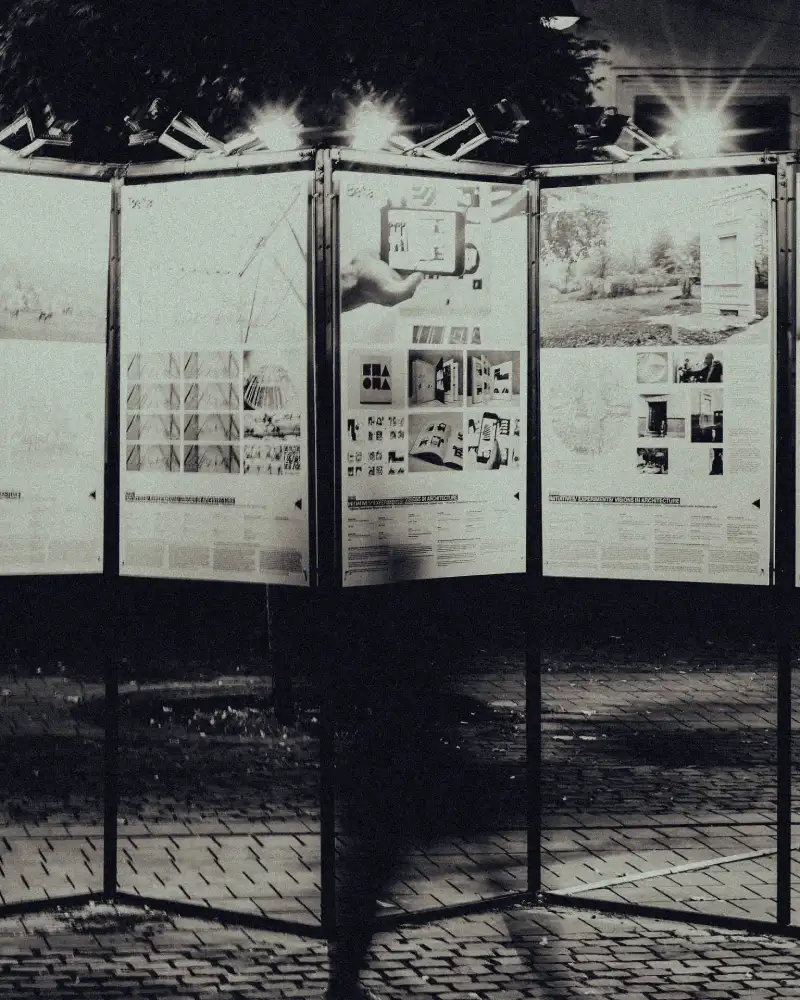
Retractable banner stands solve a different problem than a full backdrop wall: aisle-facing visibility from a distance. Placed at the corners of a 10×10 or 10×20 booth, retractable banners catch attendees walking the aisle before they are close enough to read booth signage.
For tri-state exhibitors doing multiple shows a year, a set of two retractable banners is often the highest-value add-on to a primary backdrop, since they travel in a single padded case and set up in under a minute.
up in under a minute.
Venue Logistics: What to Know Before You Ship
The Javits Center requires exhibitor materials to move through designated dock schedules, and drayage (the cost of moving crates from the dock to the booth) is charged separately from shipping, which surprises first-time exhibitors more than any other line item. Smaller tri-state venues, including several in Westchester and northern New Jersey, allow hand-carry access for lighter displays, which is one reason regional exhibitors often size their booth display to what fits in a car rather than what requires freight.
Booth height restrictions also vary by show and by aisle position (corner booths typically allow taller backwalls than inline booths), so confirming the exhibitor manual before ordering a display avoids a wall that gets flagged at move-in.
Lead Time: When to Order Before Your Show Date
Standard tension fabric and pop-up backdrops typically need two to three weeks of production lead time from approved artwork to a finished, tested display. Rush production is available for shows booked closer to the deadline, though it narrows the window for design revisions. Exhibitors coordinating booth signage alongside broader event branding often pair a backdrop order with directional signage for the venue floor to guide attendees from the entrance to the booth.
Reusing and Updating Booth Graphics Across Shows
Tension fabric graphics use replaceable printed skins on a reusable frame, so a company doing several shows a year can update messaging or branding each season without buying new hardware. Pop-up backdrop panels can also be reprinted individually in most cases, which keeps the cost of a seasonal refresh lower than replacing an entire display system.
Storage between shows matters as much as the display itself. Tension fabric systems typically ship in a rolling case sized for airline or van transport, while pop-up backdrops pack flatter but bulkier, a difference worth weighing for exhibitors storing displays in a New York or New Jersey office rather than a dedicated warehouse.
Table Throws, Counters, and Small-Format Add-Ons
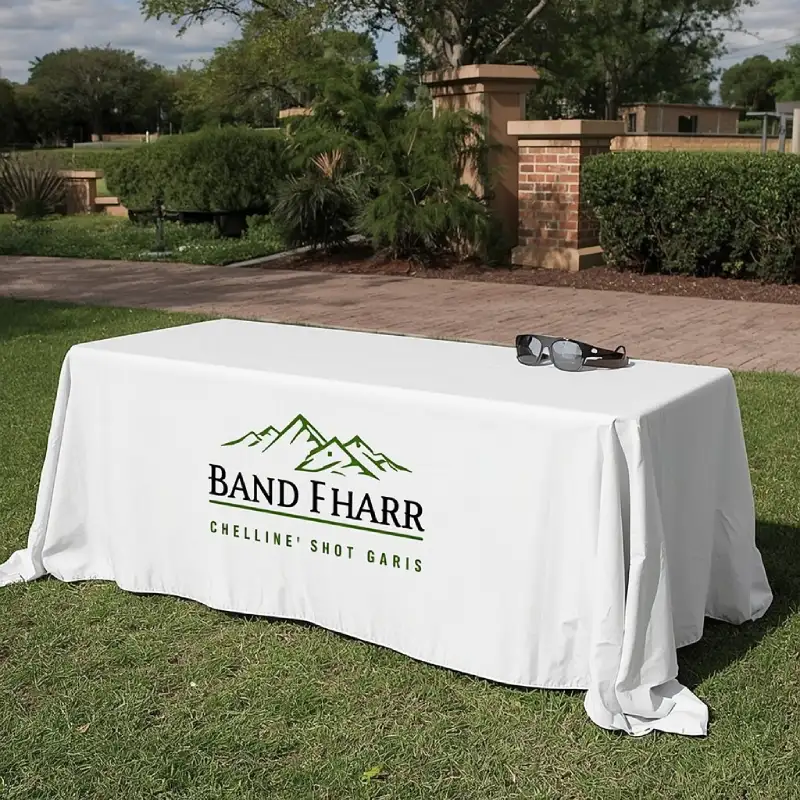
A branded table throw covering a standard 6-foot or 8-foot folding table is one of the least expensive additions to a booth package, and it makes a noticeable difference in a booth’s perceived professionalism compared to a bare table with a generic linen. Podium and counter wraps serve a similar purpose for exhibitors who need a demo station or a spot to store literature and giveaways out of sight.
For exhibitors testing a new show or market before committing to a full backdrop investment, a table throw plus a single retractable banner is often enough presence to gauge interest without the cost of a full booth system.
Working With a Local New York Sign Partner
Exhibitors booked into Javits or a smaller tri-state venue benefit from working with a display fabricator based in the region, since a local partner can turn around a last-minute panel reprint or hardware repair without a multi-day shipping delay before the show opens. That local turnaround matters more in trade show production than almost any other signage category, since a show date does not move if a graphic panel arrives damaged.
Building a Booth Package for Recurring Exhibitors
A company doing the same regional circuit each year, say a Javits show in the spring and a Meadowlands show in the fall, benefits from ordering a full package rather than piecing displays together show by show. A matched backdrop, banner set, and table throw ordered together share consistent branding and typically cost less than the same pieces ordered separately over time.
Keeping a single vendor relationship for repeat exhibitor orders also means artwork files, brand colors, and logo variations stay on file, so a seasonal refresh or a new show addition does not require rebuilding brand assets from scratch each time.
Booth Signage Beyond the Main Display
A backdrop and banner set covers the main visual presence, but exhibitors frequently underestimate the value of supporting signage: floor decals directing foot traffic toward the booth, hanging signs for booths with overhead clearance, and small counter signage listing product categories or a scannable QR code for lead capture.
Floor decals in particular perform well in wide aisles at larger venues like Javits, where attendees scan the floor as much as the booth walls while walking, and a well-placed decal can redirect traffic toward a booth that might otherwise get passed by in a crowded hall.
Trade Show Booth Display FAQs for New York and Tri-State Exhibitors
What is the difference between a pop-up backdrop and a tension fabric display?
A pop-up backdrop uses rigid graphic panels on a collapsible frame and sets up fastest for solo exhibitors. A tension fabric display stretches a printed fabric skin over an aluminum frame for a larger, wrinkle-free surface that packs lighter for repeat use.
How far in advance should I order a trade show booth display?
Plan for two to three weeks of production lead time from approved artwork to a finished display. Rush production is available closer to a show date but limits time for design revisions.
Does the Javits Center charge separately for moving my booth materials from the dock?
Yes, drayage at the Javits Center is billed separately from any shipping cost and covers moving crates from the loading dock to the booth space. Confirm current drayage rates with show management before your event.
Can I reuse my trade show backdrop for multiple shows?
Yes, both tension fabric and pop-up backdrop systems are designed for repeat use. Fabric skins and panel graphics can typically be reprinted individually, so the frame and hardware do not need to be replaced each season.
What booth display works best for a 10×10 space?
A single pop-up or tension fabric backdrop paired with one or two retractable banners at the corners covers most 10×10 booth needs, providing both a branded backwall and aisle-facing visibility without crowding the space.